
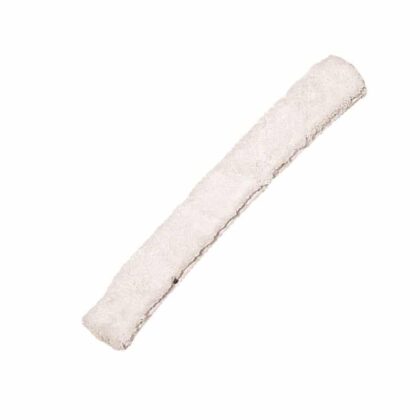
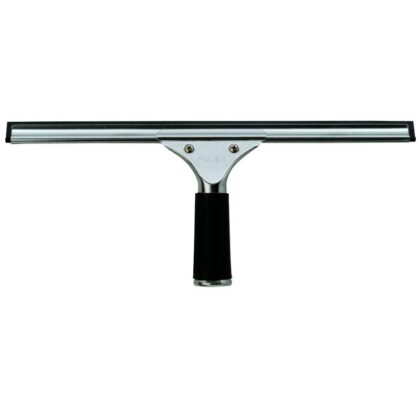
For glass you can reach, the best tool is a squeegee paired with a washer sleeve — the washer wets and loosens the dirt, the squeegee removes the water in one stroke so nothing dries on the pane. For glass you cannot reach, it is a waterfed pole with purified water. Cloths, paper and spray bottles lose to both, because they move dirt around rather than removing it and they always leave lint or residue behind.
What each tool is actually for
| Tool | Best for | Limit |
| Squeegee + washer | Any glass within reach | Needs a hand on the pane |
| Telescopic pole | Up to about 6 metres | Blade control drops with length |
| Waterfed pole | Up to 9 metres, no finishing | Needs a water purification setup |
| Microfibre cloth | Detailing edges, interior spot cleans | Leaves lint on large panes |
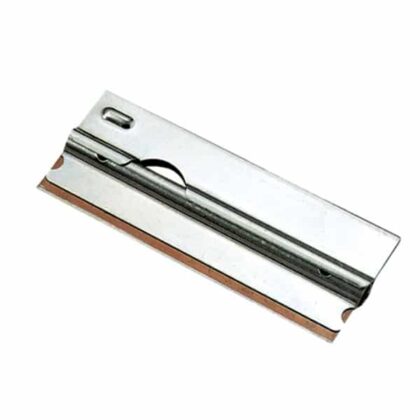
| Scraper | Paint, adhesive, builder’s residue | Wrong tool for general cleaning |
Why a squeegee beats a cloth
A cloth absorbs dirty water and then redistributes it. The last thing that touches the glass is a damp textile carrying everything you just removed, which is why cloth-cleaned windows look fine wet and streaky dry. A squeegee blade removes the water rather than absorbing it, so the pane goes from wet to dry with the dirt leaving the surface entirely.
The tools worth adding
- Pullex scraper fitting, R270 — paint spots and builder’s residue that will not wash off
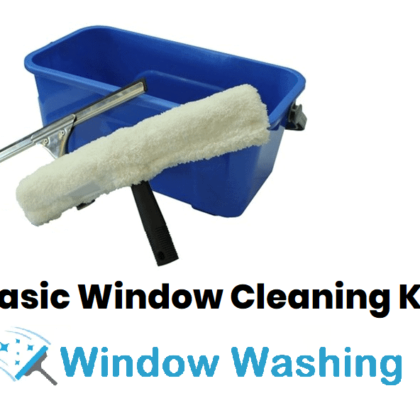
- 15 litre bucket, R460 — sized to take a 35cm washer without slopping
- Replacement rubber, R109 — the part that decides the finish
Starting from nothing
A basic window cleaning kit at R1,160 puts the squeegee, washer and bucket together for less than assembling them separately. Kits sized by building height run from R2,250 for single storey to R2,880 for triple storey.
See the full window cleaning equipment range.